Category: Jardín Alado

  • A Return to the Origin: CORA’s Easter Fine Aroma Cacao Experience in Ecuador

    A Return to the Origin: CORA’s Easter Fine Aroma Cacao Experience in Ecuador

    When people think of Easter chocolate, they usually think about tradition first. At CORA, it becomes something more. Every experience is designed to feel meaningful, connecting people not only through flavor, but through purpose.

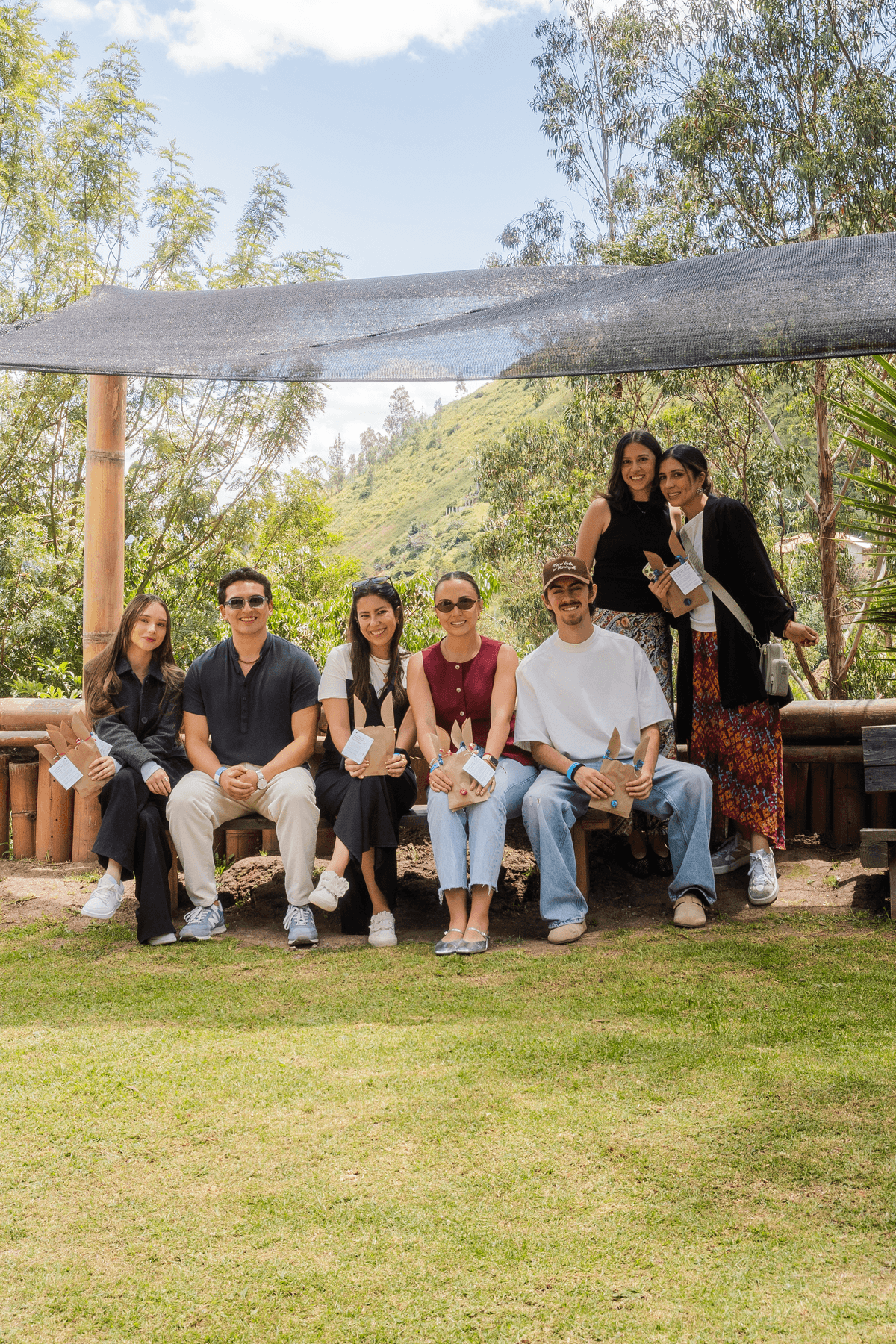
    This year, CORA brought that vision to life with a special Easter activation at Jardín Alado. More than just an event, it was a way to bring the story of fine aroma cacao into a space that reflects the brand’s deeper mission.CORA was born in Ecuador, and its name comes from corazón, a reminder to support the causes that unite us. By working with fine aroma cacao—one of Ecuador’s most valuable natural resources—CORA highlights the richness of the land while also committing to protect it. Hosting this experience at Jardín Alado made that connection tangible.

    A Moment of Connection and Discovery

    The event was intentionally small, creating a more personal and meaningful atmosphere. Guests were invited to slow down, explore, and engage with CORA in a way that felt natural and authentic.

    The experience began with a “treasure hunt” for handcrafted Easter “eggs”—30g CORA fine aroma cacao bars hidden throughout the space. Each one carried not only a sweet discovery, but also information about the brand and an invitation to participate in a giveaway to find CORA’s next ambassador.

    It was a simple idea, but one that encouraged curiosity, interaction, and connection.

    Jardín Alado: Where Conservation and Purpose Meet

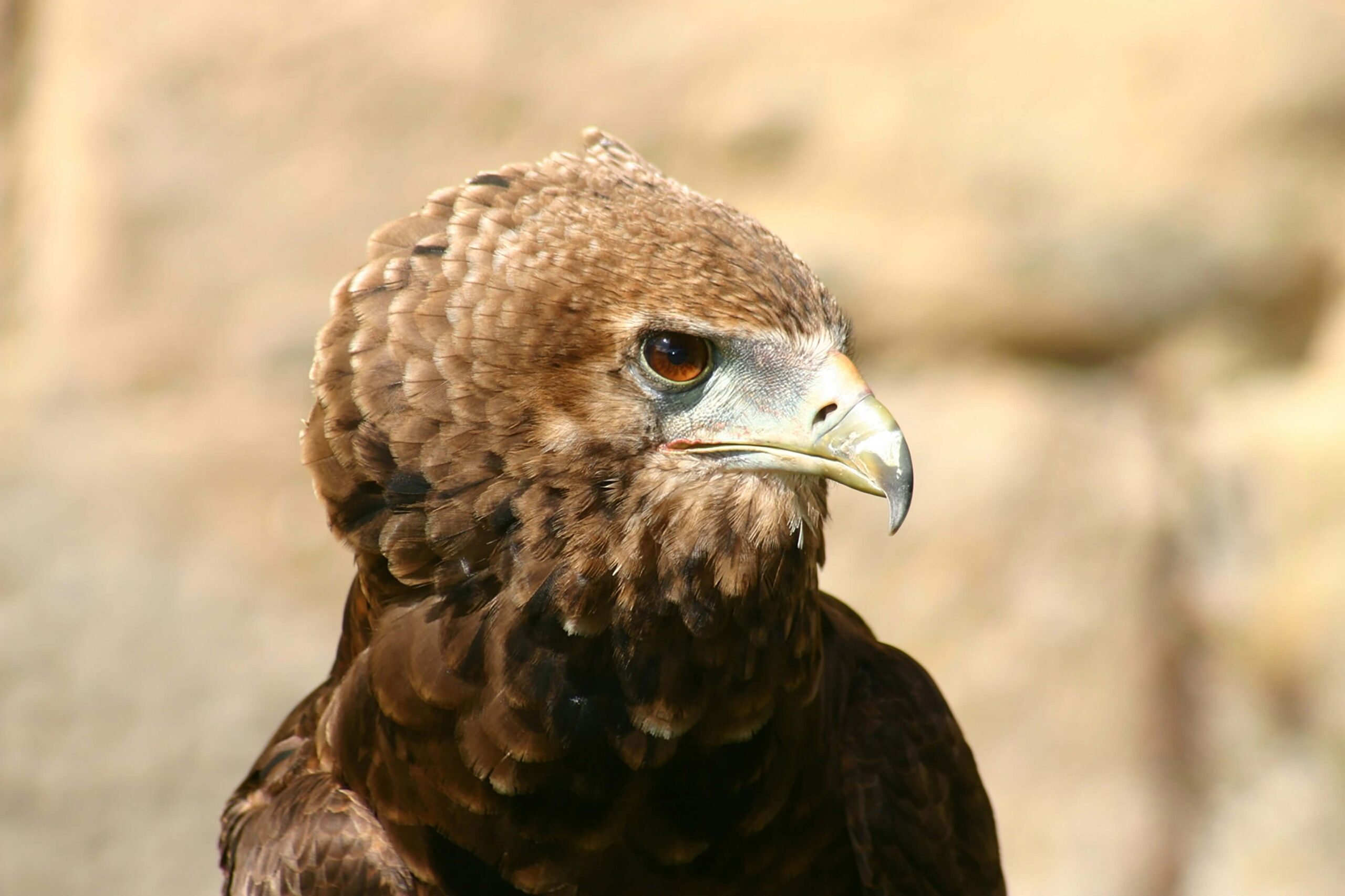
    Jardín Alado is more than a location—it is a wildlife rehabilitation center dedicated to giving wild birds a second chance.

    Many of the birds that arrive at Jardín Alado have suffered from trafficking, abuse, or abandonment. Some are able to recover and return to their natural habitat. Others, due to physical or emotional trauma, are given a safe sanctuary where they can live with dignity.

    Beyond rehabilitation, Jardín Alado also creates awareness. By sharing these stories, it helps people understand the importance of protecting wildlife and respecting the ecosystems around us.

    For CORA, this matters. Fine aroma cacao comes from environments that depend on ecological balance. Supporting spaces like Jardín Alado is part of honoring that origin.

    Returning to the Origin Through Fine Aroma Cacao

    After the treasure hunt, guests were invited to a guided tasting of CORA’s fine aroma cacao bars.

    This moment focused on more than flavor. It was about understanding where cacao comes from, how it is cultivated, and why it is worth protecting. Surrounded by nature, the tasting reflected the idea of returning to the origin—connecting the product back to the ecosystems and communities behind it.

    At CORA, fine aroma cacao is not just an ingredient. It is a way to tell a story about Ecuador, its biodiversity, and its people.

    Fine Aroma Cacao with Impact

    At CORA, fine aroma cacao is not just something you enjoy. It is something you choose.

    By creating experiences like this Easter activation, CORA reinforces its commitment to wildlife conservation and community impact. Supporting initiatives like Jardín Alado means helping provide care, refuge, and dignity to animals that need it most.

    This is how CORA creates impact beyond the product—by connecting every bar of fine aroma cacao to a purpose that protects and gives back.

    Experience CORA: Order or Become a Distributor

    If you are ready to experience fine aroma cacao chocolate made with purpose, CORA invites you to explore its collection and discover flavors inspired by Ecuador.

    You can order CORA and support a brand that invests in conservation and community. And if you own a shop, café, hotel, or specialty store, you can become a distributor and bring purpose-driven fine aroma cacao to your customers.

    CORA is born from the heart. And every bar is an invitation to be part of something bigger.
  • Wildlife Conservation in Ecuador: How CORA Creates Impact Beyond Chocolate

    Wildlife Conservation in Ecuador: How CORA Creates Impact Beyond Chocolate

    When we think about wildlife conservation, we often picture large national parks or distant environmental efforts. But protecting wildlife also happens in more immediate, human spaces where individual actions can give animals a second chance at life.

    That’s where real impact begins. And that’s where CORA chooses to act.

    CORA is a chocolate brand born in Ecuador and created from the heart. The name CORA comes from corazón—heart—because it represents our commitment to the causes that bring us together. We work with fine aroma cacao, one of Ecuador’s most valuable natural resources, and we believe that honoring that richness also means protecting the ecosystems it comes from.

    That’s why CORA goes beyond the product. It’s chocolate with purpose, and that purpose includes supporting wildlife conservation.

    Why Wildlife Conservation Is Part of CORA’s Mission

    Ecuador is one of the most biodiverse countries in the world. From the Andean cloud forests to the Amazon rainforest, thousands of species depend on fragile ecosystems to survive.

    But many of these species face ongoing threats, including habitat loss, illegal wildlife trafficking, and human impact.

    Supporting wildlife conservation means protecting that balance. It means helping injured or displaced animals recover, and creating awareness so fewer animals are harmed in the future.

    CORA believes in impact that is local, human, and tangible. That’s why we support initiatives that directly care for and protect wildlife in Ecuador.

    The Mateus Foundation & Jardín Alado: A Second Chance for Wild Birds

    One of the organizations CORA supports is the Mateus Foundation, a foundation dedicated to biodiversity conservation and animal welfare in Ecuador.

    At the heart of their work is Jardín Alado, a wildlife rehabilitation center focused on wild birds.

    At Jardín Alado, birds that have suffered from abuse, trafficking, or abandonment are given refuge and specialized care. Some are able to recover and return to their natural habitat. Others, due to physical or emotional trauma, are given a safe space where they can live with dignity. Every bird has a story, and each one is a reminder of why protecting wildlife matters.

    Beyond rehabilitation, Jardín Alado also plays an important role in education and awareness. By sharing these stories, they help people see animals from a different perspective and understand the importance of respecting and protecting wildlife.

    How CORA Creates Impact Through Wildlife Conservation

    CORA produces chocolate with high-quality ingredients and fine aroma cacao, highlighting the richness of Ecuador. But our mission goes further.

    By supporting the Mateus Foundation and its Jardín Alado project, CORA helps ensure that more wild birds receive care, shelter, and the opportunity to heal. This isn’t just about creating a product, it’s about connecting that product to a purpose that creates real impact.

    That’s how CORA creates impact beyond chocolate: by supporting conservation efforts, promoting environmental awareness, and reminding us that everyday choices can help protect the natural world.

    How You Can Support Wildlife Conservation

    If you’d like to be part of this impact, there are simple ways to get involved.

    And you can support CORA’s purpose:

    • Enjoy chocolate made with intention—crafted in Ecuador using fine aroma cacao.
    • Or, if you own a shop, café, hotel, or business, you can become a CORA distributor and help bring this purpose-driven chocolate to more people.

    Because when you choose CORA, you’re not just choosing chocolate. You’re choosing a brand that believes in Ecuador, in its biodiversity, and in protecting wildlife.

  • Birds of Prey in Ecuador: Why Conservation Matters

    Birds of Prey in Ecuador: Why Conservation Matters

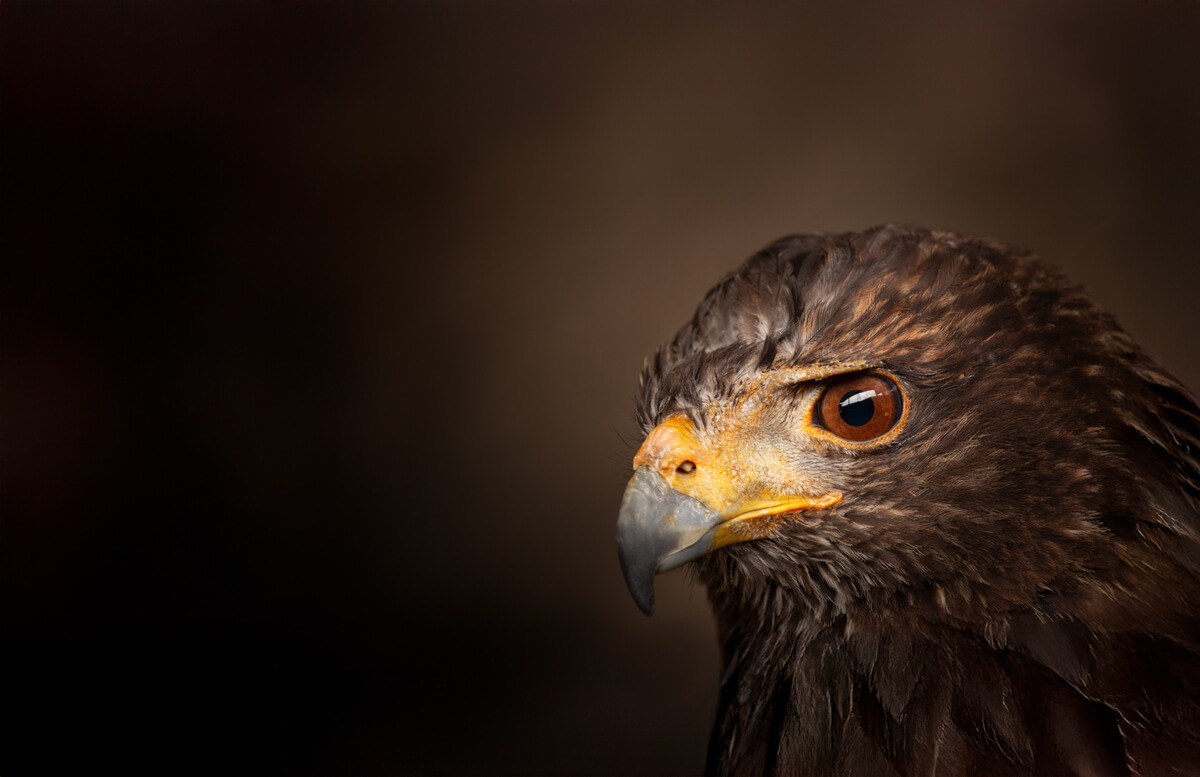
    Ecuador is one of the most biodiverse countries in the world, and its birds of prey play an essential role in keeping ecosystems in balance. These raptors help control populations of other animals, support healthy food chains, and serve as indicators of environmental health. When their populations decline, the effects can reach far beyond a single species.

    Today, many birds of prey in Ecuador face growing pressure from habitat loss, hunting, poisoning, and other human-driven threats. Protecting them is not only about saving individual species. It is also about protecting Ecuador’s biodiversity and the natural systems that support life across the country.

    Threatened Birds of Prey in Ecuador

    Several birds of prey in Ecuador are under pressure due to environmental change and human activity. Some of the most well-known examples include:

    1. Harpy Eagle (Harpagornis harpyja): Considered vulnerable in Ecuador, the population of these birds is decreasing due to deforestation in the Ecuadorian Amazon, where their natural habitat is increasingly degraded by agriculture and cattle ranching.

    2. Red-crowned Vulture (Sarcoramphus papa): Listed as a near-threatened species, this vulture faces loss of its natural habitat and accidental poisoning. These animals are scavengers, which makes them vital to their ecosystem.

    3. Peregrine Falcon (Falco peregrinus): Although not critically endangered, the population of this bird has declined due to hunting, the use of pesticides and the loss of its natural habitat, with Ecuador being a very important migration point.

    Biodiversity in Ecuador

    Our country is a sanctuary of biodiversity, with about 1,600 species of birds, including more than 35 species of birds of prey. However, biodiversity is under increasing threat due to human activity.

    According to the Red List of Threatened Species of the International Union for Conservation of Nature (IUCN), close to 200 species of birds in Ecuador are in danger of extinction, including 10 of the 35 species of birds of prey.

    Main Threats

    1. Loss of habitat: Deforestation, agricultural expansion, and land-use change continue to reduce the natural habitats many raptors need to hunt, nest, and survive.

    2. Hunting and Persecution: Some birds of prey are still killed because they are misunderstood or seen as a threat. This kind of persecution can have serious consequences for already vulnerable populations.

    3. Contamination: Pesticides and other contaminants can harm raptors directly or indirectly through their prey. Scavenger species are especially vulnerable when toxins enter the food chain.

    What Conservation Can Look Like

    Protecting birds of prey requires long-term effort from organizations, communities, and institutions. Some of the most important conservation actions include:

    Law and Protection: There is legislation that protects birds of prey, but monitoring is key to effectiveness. As citizens, we should ask the authorities and industries to adopt more sustainable practices and follow the regulations.

    Habitat restoration: The reforestation projects are crucial to restoring habitats lost and provide a refuge for endangered species.

    Environmental education: community-based programs that educate about the importance of birds of prey is the first step to foster the love and respect for nature. In Jardín Alado, each animal has a story to tell and a lesson to offer.

    Why is it crucial to protect these birds?

    Birds of prey are more than majestic animals. They are essential to ecological balance and to the health of Ecuador’s ecosystems. Their protection depends on habitat conservation, public awareness, rescue efforts, and long-term community support.

    By learning more, sharing these stories, and supporting organizations working in the field, more people can help protect Ecuador’s biodiversity for the future.

    How Cora Supports This Initiative

    At Cora, conservation is part of a broader commitment to purpose, community, and Ecuador’s natural heritage. Supporting initiatives connected to wildlife protection helps create a deeper impact beyond the product itself.

    Through its support of conservation-focused initiatives, Cora helps bring more visibility to the work of the Mateus Foundation and the protection of birds of prey in Ecuador.