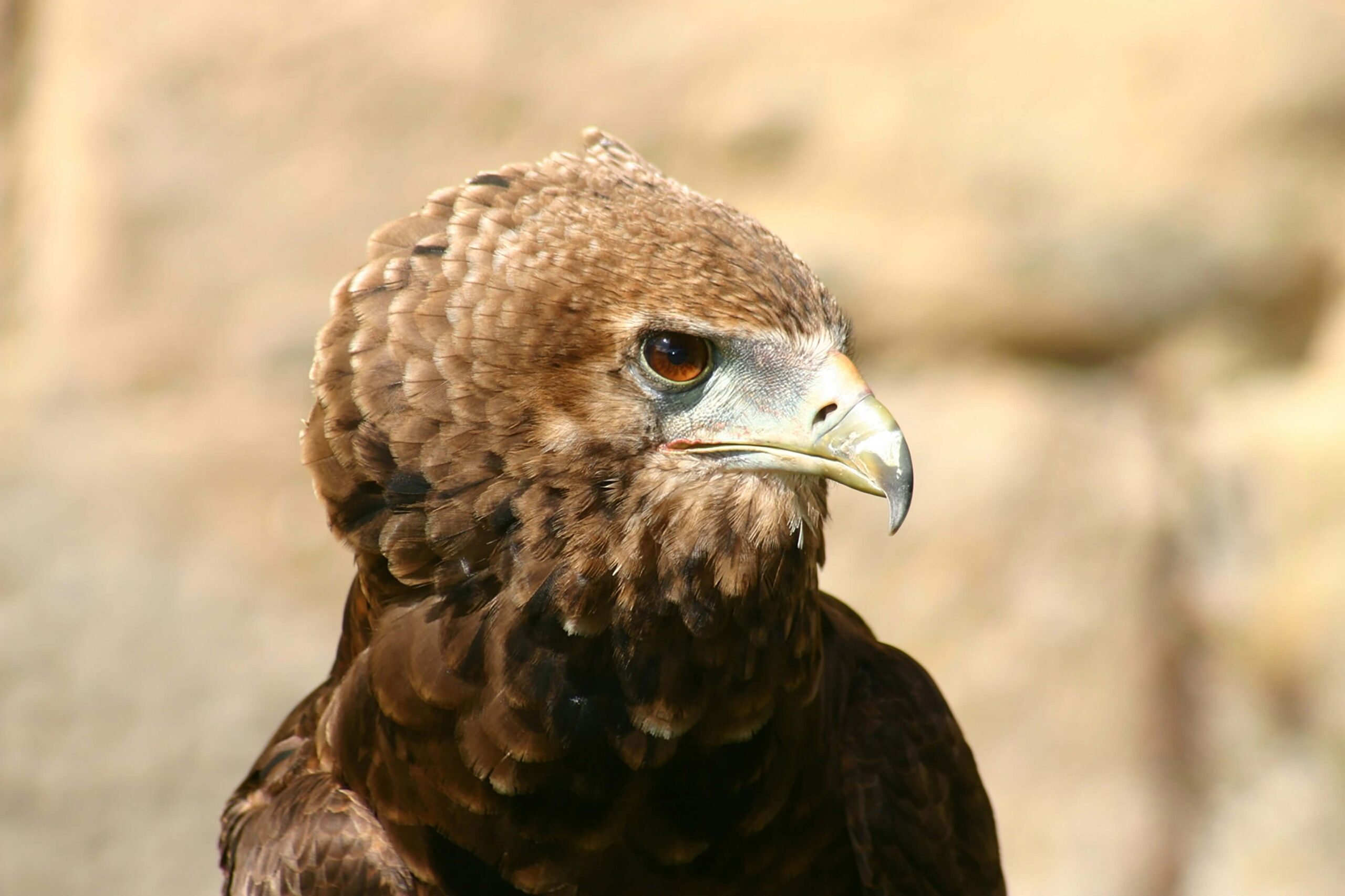
Ecuador is one of the most biodiverse countries in the world, and its birds of prey play an essential role in keeping ecosystems in balance. These raptors help control populations of other animals, support healthy food chains, and serve as indicators of environmental health. When their populations decline, the effects can reach far beyond a single species.
Today, many birds of prey in Ecuador face growing pressure from habitat loss, hunting, poisoning, and other human-driven threats. Protecting them is not only about saving individual species. It is also about protecting Ecuador’s biodiversity and the natural systems that support life across the country.
Threatened Birds of Prey in Ecuador
Several birds of prey in Ecuador are under pressure due to environmental change and human activity. Some of the most well-known examples include:
1. Harpy Eagle (Harpagornis harpyja): Considered vulnerable in Ecuador, the population of these birds is decreasing due to deforestation in the Ecuadorian Amazon, where their natural habitat is increasingly degraded by agriculture and cattle ranching.

2. Red-crowned Vulture (Sarcoramphus papa): Listed as a near-threatened species, this vulture faces loss of its natural habitat and accidental poisoning. These animals are scavengers, which makes them vital to their ecosystem.

3. Peregrine Falcon (Falco peregrinus): Although not critically endangered, the population of this bird has declined due to hunting, the use of pesticides and the loss of its natural habitat, with Ecuador being a very important migration point.

Biodiversity in Ecuador
Our country is a sanctuary of biodiversity, with about 1,600 species of birds, including more than 35 species of birds of prey. However, biodiversity is under increasing threat due to human activity.
According to the Red List of Threatened Species of the International Union for Conservation of Nature (IUCN), close to 200 species of birds in Ecuador are in danger of extinction, including 10 of the 35 species of birds of prey.
Main Threats
1. Loss of habitat: Deforestation, agricultural expansion, and land-use change continue to reduce the natural habitats many raptors need to hunt, nest, and survive.
2. Hunting and Persecution: Some birds of prey are still killed because they are misunderstood or seen as a threat. This kind of persecution can have serious consequences for already vulnerable populations.
3. Contamination: Pesticides and other contaminants can harm raptors directly or indirectly through their prey. Scavenger species are especially vulnerable when toxins enter the food chain.
What Conservation Can Look Like
Protecting birds of prey requires long-term effort from organizations, communities, and institutions. Some of the most important conservation actions include:
Law and Protection: There is legislation that protects birds of prey, but monitoring is key to effectiveness. As citizens, we should ask the authorities and industries to adopt more sustainable practices and follow the regulations.
Habitat restoration: The reforestation projects are crucial to restoring habitats lost and provide a refuge for endangered species.
Environmental education: community-based programs that educate about the importance of birds of prey is the first step to foster the love and respect for nature. In Jardín Alado, each animal has a story to tell and a lesson to offer.
Why is it crucial to protect these birds?
Birds of prey are more than majestic animals. They are essential to ecological balance and to the health of Ecuador’s ecosystems. Their protection depends on habitat conservation, public awareness, rescue efforts, and long-term community support.
By learning more, sharing these stories, and supporting organizations working in the field, more people can help protect Ecuador’s biodiversity for the future.
How Cora Supports This Initiative
At Cora, conservation is part of a broader commitment to purpose, community, and Ecuador’s natural heritage. Supporting initiatives connected to wildlife protection helps create a deeper impact beyond the product itself.
Through its support of conservation-focused initiatives, Cora helps bring more visibility to the work of the Mateus Foundation and the protection of birds of prey in Ecuador.
Leave a Reply